





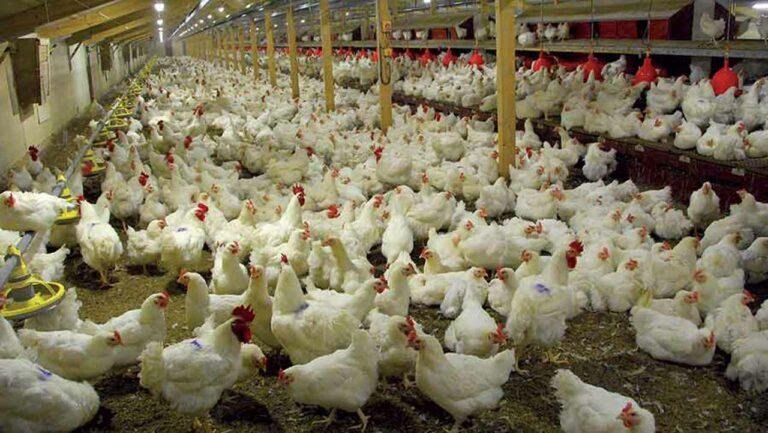
In a recent revelation, the Poultry Association of Nigeria, PAN, expressed deep concern over the closure of more than 50 per cent of poultry farms in 2023. This means for every two poultry farms in Nigeria in 2023, one closed shop. This figure, 50 per cent, represents half of all poultry farms. It also paints a figure that sheds light on the severe challenges gripping the sector.
The real unfortunate part is that this alarming development has significant repercussions both on the economy and public health.
Economic fallout
The Nigerian poultry industry is crucial for the country’s economy, contributing to job creation and food security. The closures, therefore, cast a shadow over Nigeria’s economy with revenue losses, mass unemployment and the ripple effects on ancillary sectors.
Mojeed Iyiola, President, PAN, disclosed the distressing fact that the poultry industry is struggling to meet the soaring demand for its products. This scarcity has led to a drastic increase in egg prices, reaching an exorbitant N3,500 per crate. A kilogram of chicken has since reached N3,800. The economic impact extends beyond the farms, affecting consumers who bear the brunt of inflated prices.
Experts point out that a key factor contributing to this crisis is the surge in production costs, primarily driven by the astronomical rise in maize prices, a crucial ingredient in poultry feed. The price of maize skyrocketed by 79.23 per cent year-on-year, amplifying the challenges faced by poultry farmers who are grappling with increased operational costs.
Moreover, the ripple effect extends to the broader economy, impacting businesses reliant on poultry products and possibly leading to job losses within the sector. The strain on the economy could worsen existing challenges, making it imperative to address the root causes of this crisis.
Beyond the economic realm, the health implications of this poultry crisis cannot be ignored. The shortage of poultry products, especially eggs, poses a threat to the nutritional balance of consumers. Eggs are a vital source of protein and essential nutrients, and the scarcity raises concerns about potential nutritional gaps in the diet of many Nigerians.