



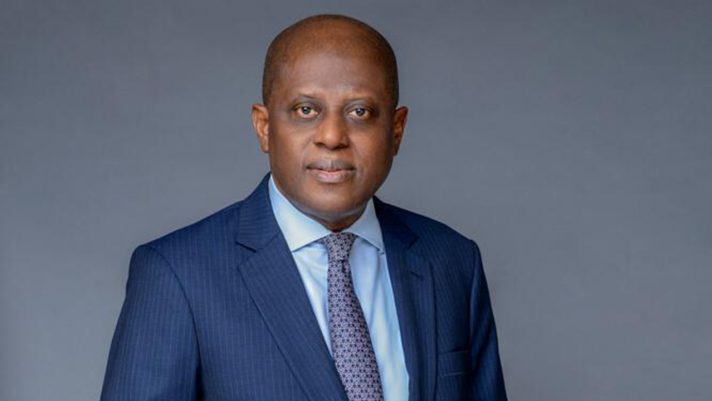
For the second time in a row, the Central Bank of Nigeria (CBN) has missed the rate-fixing Monetary Policy Committee (MPC) meeting, leaving room for speculations on Olayemi Cardoso’s strategic policy direction, approach to inflation control and even the current composition of the arm.
This comes as the Central Bank is said to have severed communication with external members of the committee, which is expected to generate research-based market trends for monetary policy decisions.
A member, who spoke with The Guardian yesterday, said there has been no official or unofficial communication with his colleagues since the new administration came on board.
“There is so much uncertainty and no one knows what is happening,” he said. The source said that the body language of the new administration suggests that the new leadership wants some changes but that it remains unclear how the apex bank would progress with that because the law has stipulated a removal process.
Apart from independent members, the Ministry of Finance, the Securities and Exchange Commission and the Presidency are represented. The current independent members, whose fate hangs in the balance, are Adeola Adenikinju, a professor of economics at the University of Ibadan; Mike Obadan, another professor of economics; Aliyu Sanusi of the Department of Economics, Ahmadu Bello University and Robert Asogwa, a macroeconomist at the African Development Bank (AfDB).
Others are Mohammed Adaya Salisu, Mo’Omamegbe. Five appointee members were re-nominated while two were newly nominated and confirmed by the Senate last year in line with Section 12(4) of the CBN Act, which guarantees tenure of offices of the appointees. They were previously subjected to scrutiny by the Senate Committee on Banking, Insurance and Other Financial Institutions.
Recall that the CBN faced leadership challenges in the past few months with Emefiele and his four deputies resigning ahead of the end of their tenures. The Guardian had reported leaders of the institution faced an uncertain future as the President was determined to follow through with his promised “housecleaning”.
Considered the apex body responsible for monetary policy and chaired statutorily by the CBN governor, the MPC is an arm of the CBN that draws membership from the apex bank and other experts outside the fold of the regulatory.
Decisions of MPC arrived through voting, but the governor is believed to hold overwhelming influence over the voting pattern of the members, hence the market coming is considered a key factor that could alter the restrictive monetary phase that started May last year, raising the interest rate from 11.5 per cent to 18.75 per cent, feeding on the cost of commercial borrowing.
Months into the monetary tightening campaign, a hitherto dovish ex-CBN governor, Godwin Emefiele, said he would not promise a pause unless there was a reasonable breakthrough in the anti-inflation war. At a July meeting presided over by Foloshodun Shonubi, who acted briefly as head of the leadership team of the bank, the benchmark interest rate was raised by 25 basis points to 18.75 per cent, a level not seen in recent history.