



Deji Elumoye, Chuks Okocha, Michael Olugbode, Emmanuel Addeh and Sunday Aborisade in Abuja
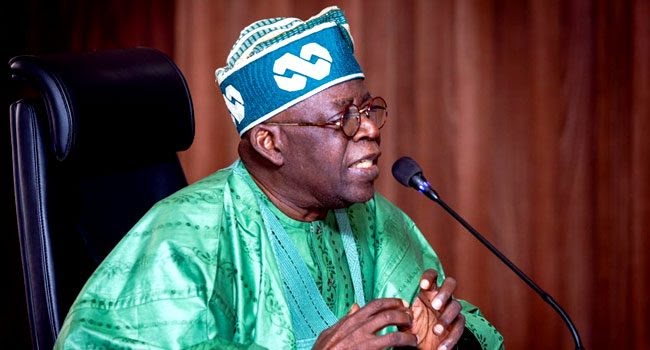
President Bola Ahmed Tinubu, at the weekend, directed suspension of the implementation of the cybersecurity levy, as provided for in the Cybersecurity Act 2015 recently unveiled by the Central Bank of Nigeria (CBN), to avoid overburdening citizens who were already battling economic hardship.
KPMG, a global firm that provides audit, tax and advisory services, also raised issues with the timing of the 0.5 per cent cybersecurity levy by the federal government, saying it is ill-timed under the current economic realities.
But Chairman of the Senate Committee on National Security and Intelligence, Senator Shehu Buba, yesterday, said the cybersecurity levy was not targeted at individuals, but meant for financial institutions and telecoms firms, among others.
Relatedly, Director General, World Trade Organisation (WTO), Dr. Ngozi Okonjo-Iweala, asked the federal government to streamline its taxes and levies, arguing that though higher taxes may not be bad, they should not constitute an undue burden on the people.
That was as Socio-Economic Rights and Accountability Project (SERAP), BudgIT, and other concerned Nigerians filed a lawsuit against the CBN “over its failure to withdraw the patently unlawful ‘circular’ directing all banks and other financial institutions to deduct from customers’ accounts a cybersecurity levy.”
CBN had issued an implementation guideline to all commercial, merchant, non-interest and payment service banks, other financial institutions, mobile money operators, and payment service providers on the collection and remittance of the national cybersecurity levy.
The guidance, pursuant to the provisions of Section 44 (2) of the Cybercrime (Prohibition, Prevention, etc.) Act 2015, it said, was in line with recent developments and aimed to bolster cybersecurity measures in Nigeria.
It mandated the imposition of a levy on electronic transactions, with the proceeds paid into the National Cybersecurity Fund (NCF) under the administration of the Office of the National Security Adviser (ONSA).
Presidency sources told THISDAY last night that contrary to a report yesterday, the president did not order the CBN to stop the implementation of the cybersecurity levy.
Rather, Tinubu, who believed in the rule of law, and recognised the independence of the CBN and its autonomy, the source claimed, only directed the National Security Adviser (NSA) to suspend the implementation.
According to the source, who pleaded anonymity, “The cybersecurity levy is not a CBN action. CBN only issued circular to banks to commence implementation as a regulator. It is an action of the NSA.
“The directive to stop implementation is to ONSA. There will be internal communication between ONSA on how to carry out the presidential directive.”
The source said Tinubu was not insensitive to public opinion, “which informed why he does not want to overburden businesses and citizens with extra levy.
“Though the intendment of the law is good and what it seeks to achieve with heightened cybersecurity threats, it is important as a country we have capability to build strong firewalls around the nation’s database and government and corporate organisations’ online infrastructure against hackers.
“The levy is also designed to fund counterterrorism efforts of the federal government.”