



THE new bid by the Nigerian National Petroleum Company Limited to entrust the management of its largest refinery in private hands begs the question of privatisation. It is not only beating about the bush, but the state continues to evade full-blown privatisation, thereby serving as a bulwark to potential growth in the industry, robust revenues for the government, and a lease of life for Nigerians.
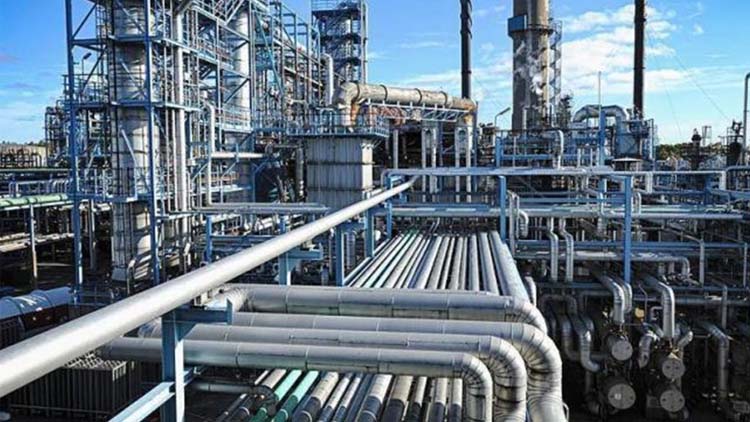
Just recently, the state-owned oil giant stunned the public by stating that it has completed the rehabilitation of the 210,000-barrel per day Port Harcourt Refinery in Rivers State with a loan of $1.5 billion and is seeking private hands to operate and maintain it. The NNPC will hold on to its overall management.
This is a half-measure, but in whose interest? It is another ploy to dodge the clamour for privatisation, which is currently the international best practice. The government wants to remain a player in the downstream sector instead of totally unbundling the firm, and focusing on regulation and collection of taxes and royalties.
For Nigeria, which is spending trillions of naira to import fuel because its refineries have been dormant for decades, there is no hiding place but to privatise.
Its situation is compounded by the turn around maintenance cost spent on the four state-owned refineries over the years without result. This was N11.4 trillion, $592 million, €4 million, and £3 million from 2010 to 2020, the Senate stated. It paid N127 billion as salaries, wages, and employee benefits to NNPC staff at the Kaduna, Warri, and Port Harcourt refineries between 2020 and 2021, per Dataphyte.
Nigeria should not be locked inside itself. In the United States, the government owns none of the 132 refineries, which refine 19.68 million bpd or 20.3 per cent of the daily global consumption. The 15 members of the Canadian Fuels Association operate along the same lines after the government sold Petro Canada to Suncor Energy.
Therefore, the Bola Tinubu government needs to create a level playing field in the energy sector instead of stifling same. While the upcoming Dangote Refinery and other privately-owned modular refineries across Nigeria underscore promise in the equitable distribution of crude, competitiveness, and growth, the influence of the NNPC in the sector hobbles the same.