



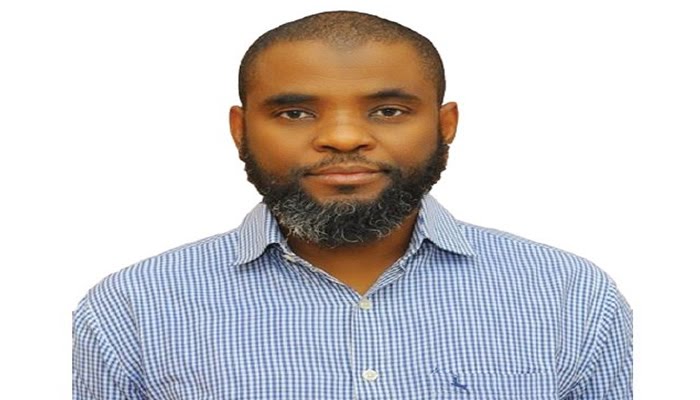
Chief Medical Director of the IBB Specialist Hospital in Minna, Niger State, Dr Bala Waziri, talks to CHIKA OTUCHIKERE about the challenges in the health sector and measures governments can take to address them.
Brain drain has continued to plague Nigeria’s health sector. In the course of your practice as a younger doctor, did you ever nurse the idea of emigrating?
Most doctors would have nursed that idea for some time. There are certain push factors. Most of us have been getting offers but I just try to weigh it and say ok, let me still stay back in my own country and my people too because, of course, it’s actually beyond us. I was just counselling one of my younger colleagues a few days ago. You know, even at the medical school, some of them had already made up their mind that they were taking the route off immediately after graduation – that they were leaving the country. However, we also tried; I was advising him that it was beyond the money. I was counselling him that we encourage people to go out, get trained, and come back and give back. That is what the minister also said in his interview on December 1, among all the other things he highlighted. He talked about patriotism, that we should be patriotic. The truth of the matter is that our medical education is highly subsidised even as it stands now. I was looking at the current tuition fees for medical students ranging from N82,000 to a little over N90,000. If a student is to receive training in a private setting even within the country, that’s worth millions of naira. I was looking at somebody posting something on tuition fees (outside the country). If for instance, you are going to study at Sheffield (University), that’s in a major city, it’s almost £34,000 for tuition. You know that’s a huge sum of money. So, what we are saying is that, most often, we got it cheap. So, you should also look back by giving back to the country and also assisting our people.
t has seriously affected us. In fact, it has affected all the health institutions everywhere and everybody is struggling to maintain their institutions. For instance, here (at IBB Specialist Teaching Hospital), we have to also engage doctors on a local basis to cushion some of these gaps. The other thing is to also encourage the government. I think the Federal Government has also got to that level because even though we talk about japa, there are still many doctors out there looking for a job. That’s the truth of the matter, and they keep coming to you but you are told that there is an embargo on employment. I know at the federal level, they have got what they call a waiver on replacement. When somebody leaves, they can actually be replaced.
Let me give you an example. A job interview was conducted for 70 doctors in Niger State and we could only lay our hands on 15 doctors to come for the computer-based exams. Even after taking the 15 doctors, the attrition rate will be high. Just give them five or six months, and most of them will tell you they are leaving; they will tender their resignation. So, we are encouraging the government to put in place a waiver on replacement. If they leave, then we will also have other people out there to replace them. The issue of teaching hospitals is also another very good initiative because teaching hospitals will want to make people stay back. As a medical worker or medical doctor, after your first degree, you’ll want to specialise in certain areas. So, if that scheme is not available in your institution, of course, people will leave to where it is available even within the country.